

ENTERPRISE COST OPTIMISATION
& RESTRUCTURING
When the cost base has to change, and the business has to keep running.
Cost reduction programmes fail most often not because the numbers are wrong, but because the operating model that remains has not been designed for the business it now has to run. Structural change imposed without a clear view of the future state leaves organisations smaller but no more effective; with stranded cost, diminished capability, and a workforce that has lost confidence in the direction.
Forbury is engaged when the board has decided that the cost base must change and needs that decision translated into a credible, sequenced programme that protects value, satisfies regulators, and leaves the business in a stronger position than it started.
What we lead
Cost Architecture and Baseline
Before a cost programme can be designed, the cost base must be understood. We establish a rigorous baseline by function, by division, by run cost and change cost, separating structural inefficiency from the investment the business genuinely needs. This is the foundation the programme is built on, and the benchmark against which savings are tracked and owned.
Target Operating Model Design
Cost reduction without a view of the future operating model is restructuring without direction. We design the target state the board is committing to; functional build, key capabilities, organisation design, decision rights, service model, technology and business footprint. So the savings target is derived from a credible business design rather than imposed on a structure that is out of date and cannot absorb it.
Restructuring Design and Sequencing
The sequencing of a restructuring programme is as consequential as the design. We develop the phased delivery plan; what changes in what order, which dependencies have to be resolved first, where the regulatory and people risks concentrate and we design the governance that keeps the programme on track when the pressure to accelerate or defer becomes political.
Savings Realisation and Tracking
Savings announced at the beginning of a programme and savings realised at the end are rarely the same number. We instrument the programme so every saving is owned by an executive, tracked against the baseline, and reconcilable in the CFO’s accounts. The board should be able to read the savings position in the same way it reads any other financial metric.
People, Organisation and Regulatory Management
The people dimension of a restructuring programme; selection, consultation, retention of critical capability, communications and cultural continuity is where the most durable risk sits. In regulated financial services, regulators will take a view on whether the organisation that emerges from a cost programme can still meet its obligations. We design the people and regulatory workstream alongside the structural programme, not after it.
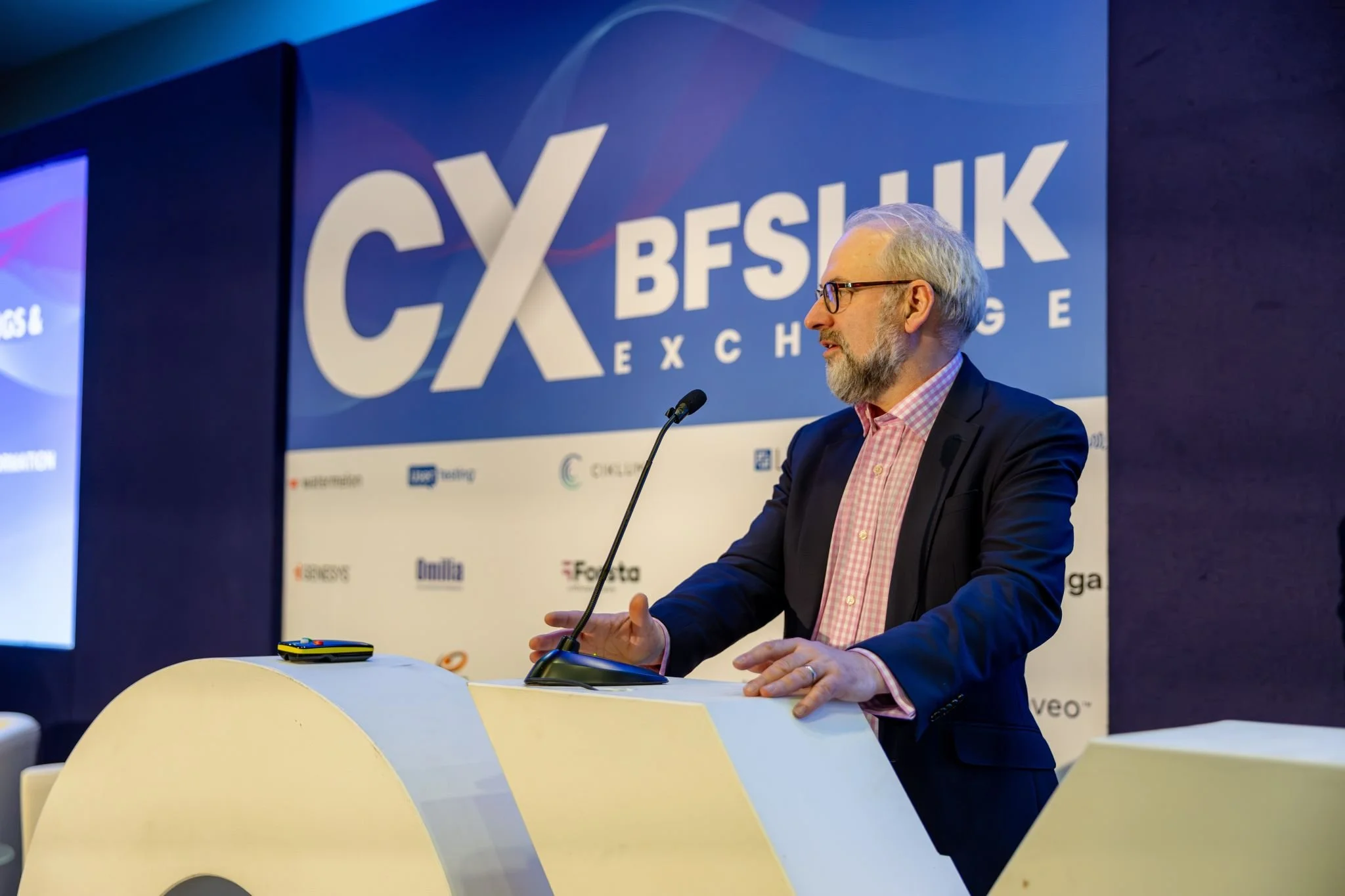
Why James?
James has led cost optimisation and operating model redesign programmes from the inside at Aviva, Barclays, RSA and Direct Line Group - as the executive responsible for delivering the savings, managing the people consequences, and keeping the board informed at each stage. He has also designed and led multiple strategic cost-reduction programmes for major top-tier financial services clients of EY, PA Consulting and IBM Global Services across UK and EMEIA.
He knows the difference between a cost programme that looks credible on a slide and one that survives the contact with the organisation, the regulator and the market. That distinction is what Forbury brings.
“The cost case is the easy part. Designing the business that delivers it, is the work.”
How we engage on
cost optimisation
Diagnostic and Baseline
A focused assessment of the cost base, the target operating model, and the realistic savings potential, structured to be presented to the board within weeks, not months.
Programme Design and Inception
Full operating model, restructuring plan, savings tracking framework, governance design, and the people and regulatory workstream, all developed together before delivery begins.
Programme Leadership
James as the senior owner of the programme, running the executive cadence, owning the board narrative, managing savings realisation and holding the line on sequencing.
Board Advisory
A standing senior relationship for organisations navigating a multi-year cost journey, providing trusted challenge, progress review and strategic course correction.